Food
Use-by and best-before: why the two dates do not mean the same thing
“Use by” addresses safety for certain highly perishable foods. “Best before” primarily indicates expected quality and is not an automatic switch from safe to dangerous.
Sources consulted on 2026-09-15
Context
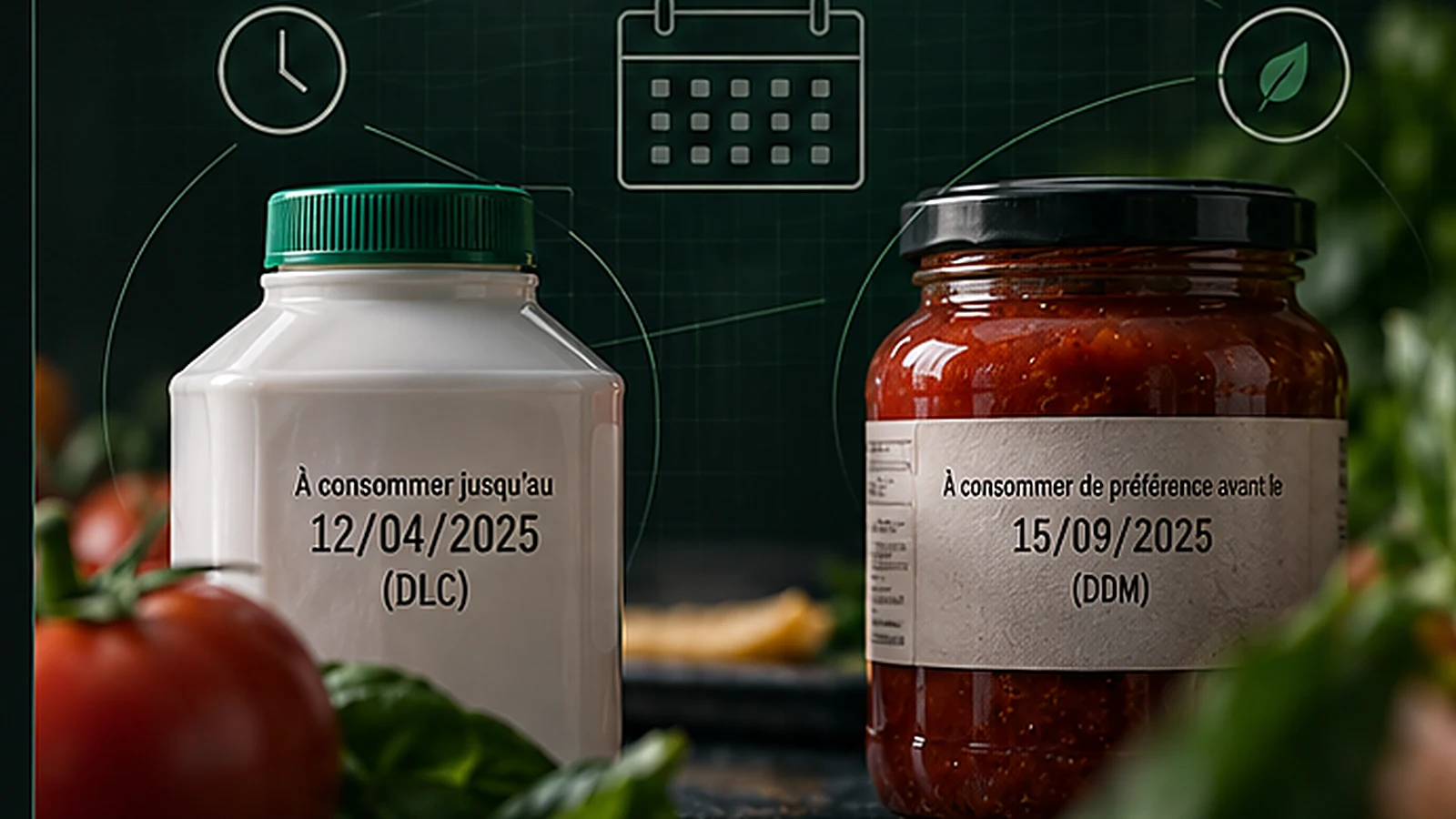
Two wordings serve two different purposes
In the EU, “use by” applies to foods that may become a microbiological safety risk after a short period. “Best before” mainly concerns expected quality. They should therefore not be interpreted with the same rule.
Controversy
Past best-before does not automatically mean unsafe
After a best-before date, a correctly stored product may mainly lose texture, flavor or quality. Package integrity, appearance and specific instructions still matter, and suitability depends on the kind of food.
Consequences
Use-by needs a stricter approach
Foods carrying a use-by date are treated differently because microbiological safety is the concern. Smell and appearance cannot reliably reveal every pathogen, so sensory checks are not a substitute for the safety date.
LES5C / 05
The essentials, not the last word
Read the words around the date, not only the numbers. Treat use-by dates strictly for foods that carry them; after a best-before date, consider storage, package integrity and quality before discarding automatically.
This overview is neither exhaustive nor personal advice. Limitations and sources are part of the argument.
Keep exploring