Economics
Why do exchange rates move even without a crisis
The euro, the dollar and other currencies often move without a dramatic shock. Rate expectations, trade flows and risk perceptions are often enough.
Read the full analysisLES5C / Explore
Prices, markets, work
Economics
The euro, the dollar and other currencies often move without a dramatic shock. Rate expectations, trade flows and risk perceptions are often enough.
Read the full analysisEconomics
A falling rate is not the same as a falling price level. The distinction matters for both economic statistics and household budgets.
Read the full analysisEconomics
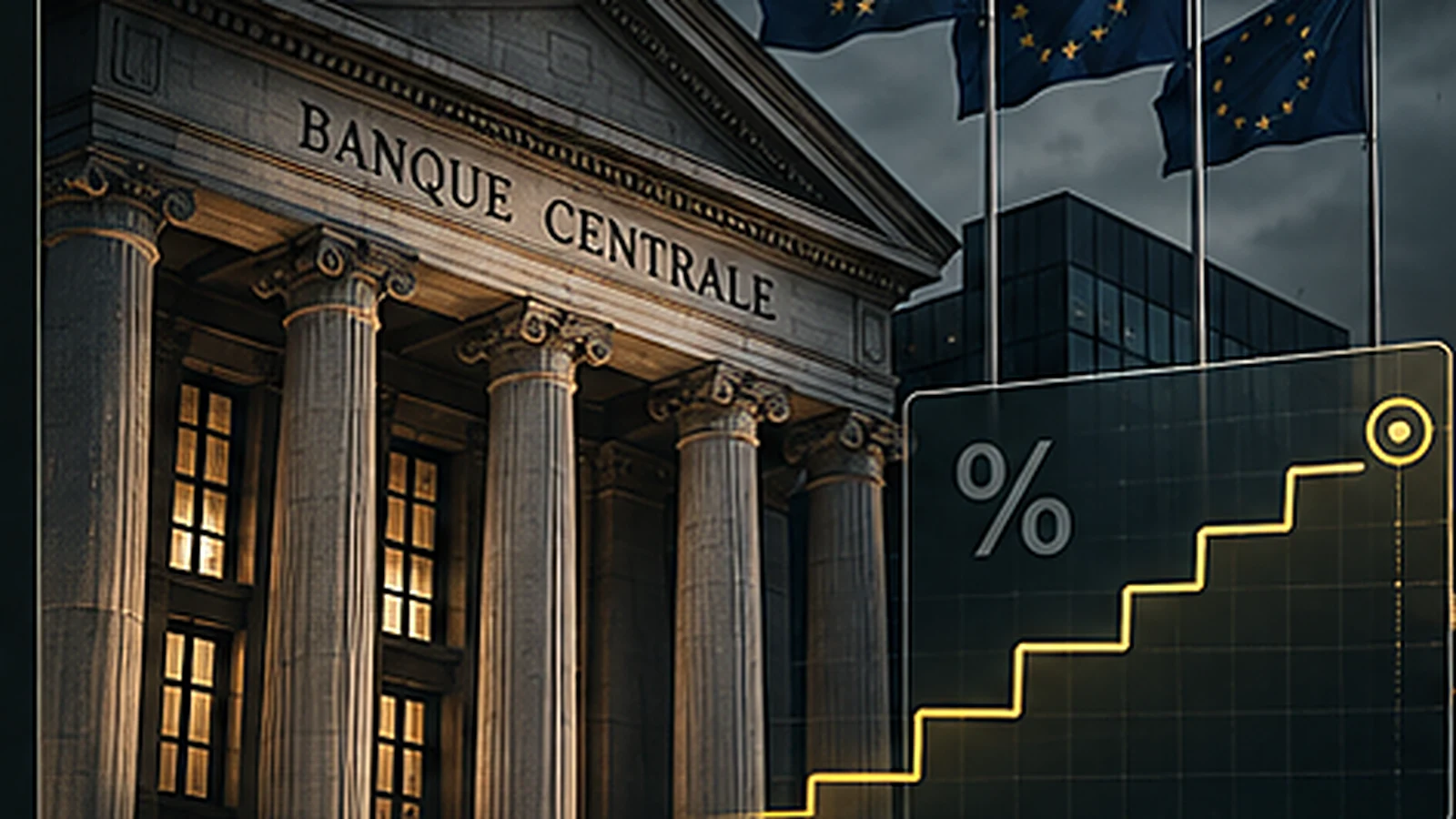
Central-bank rates influence the price of money across the economy. Their effect on a loan, savings account or business is real, but it passes through several channels and is never instantaneous.
Read the full analysisEconomics
GDP measures production created within an economy, not how income is distributed or every dimension of quality of life. Growth and well-being can therefore move differently.
Read the full analysisEconomics
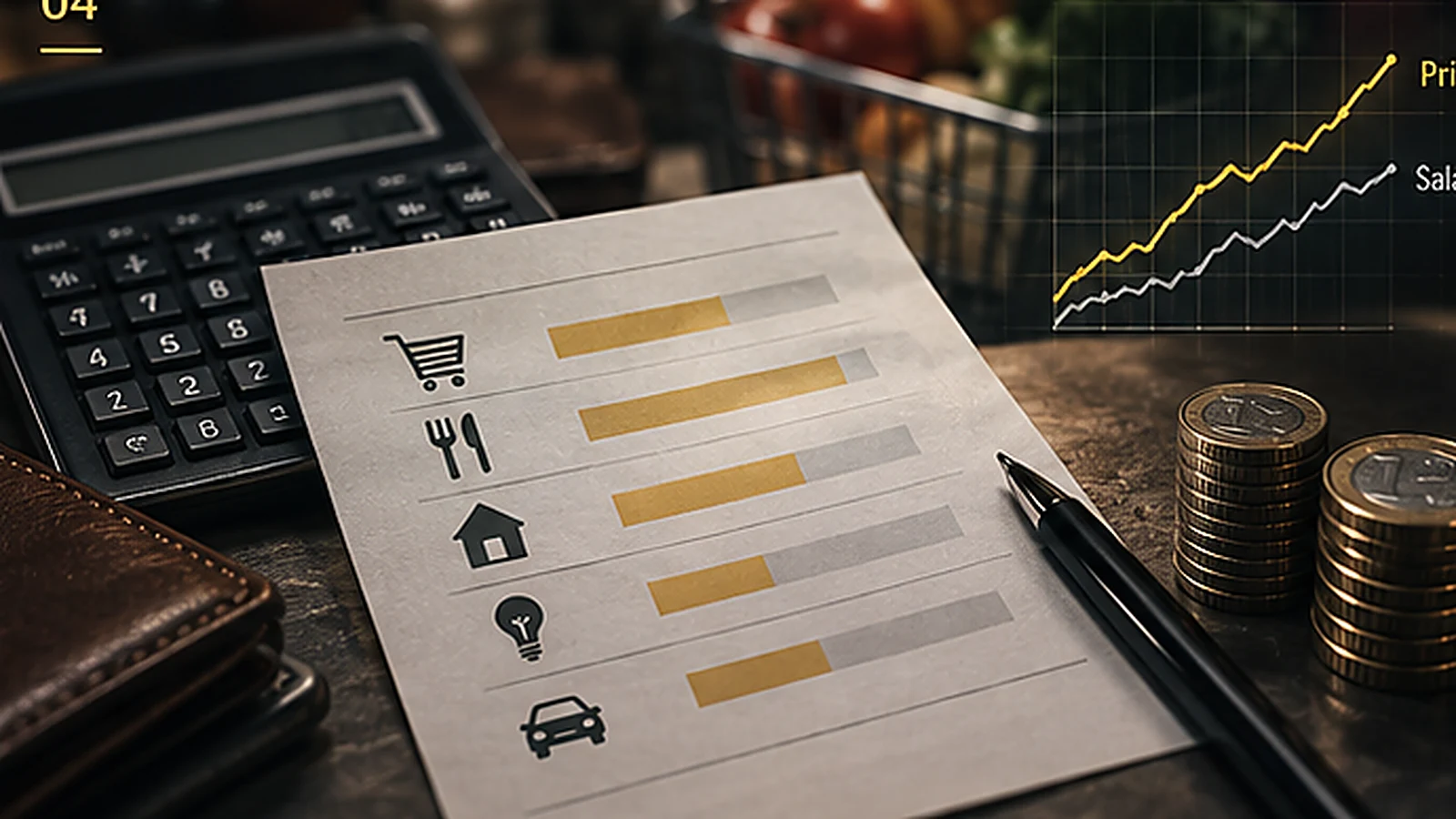
Purchasing power compares disposable income with the price level. The average indicator is useful, but it cannot reproduce every household’s exact budget.
Read the full analysisEconomics
Governments and households can both borrow, but they do not share the same horizon, income base or refinancing capacity. The analogy can explain a principle and then quickly mislead.
Read the full analysisExplore more