Food
Does more protein always mean more muscle
Protein is essential to muscle, but training response also depends on total energy, diet pattern, exercise and individual need. A supplement is not automatically necessary.
Sources consulted on 2026-09-15
Context
Protein is material, not a muscle-growth switch
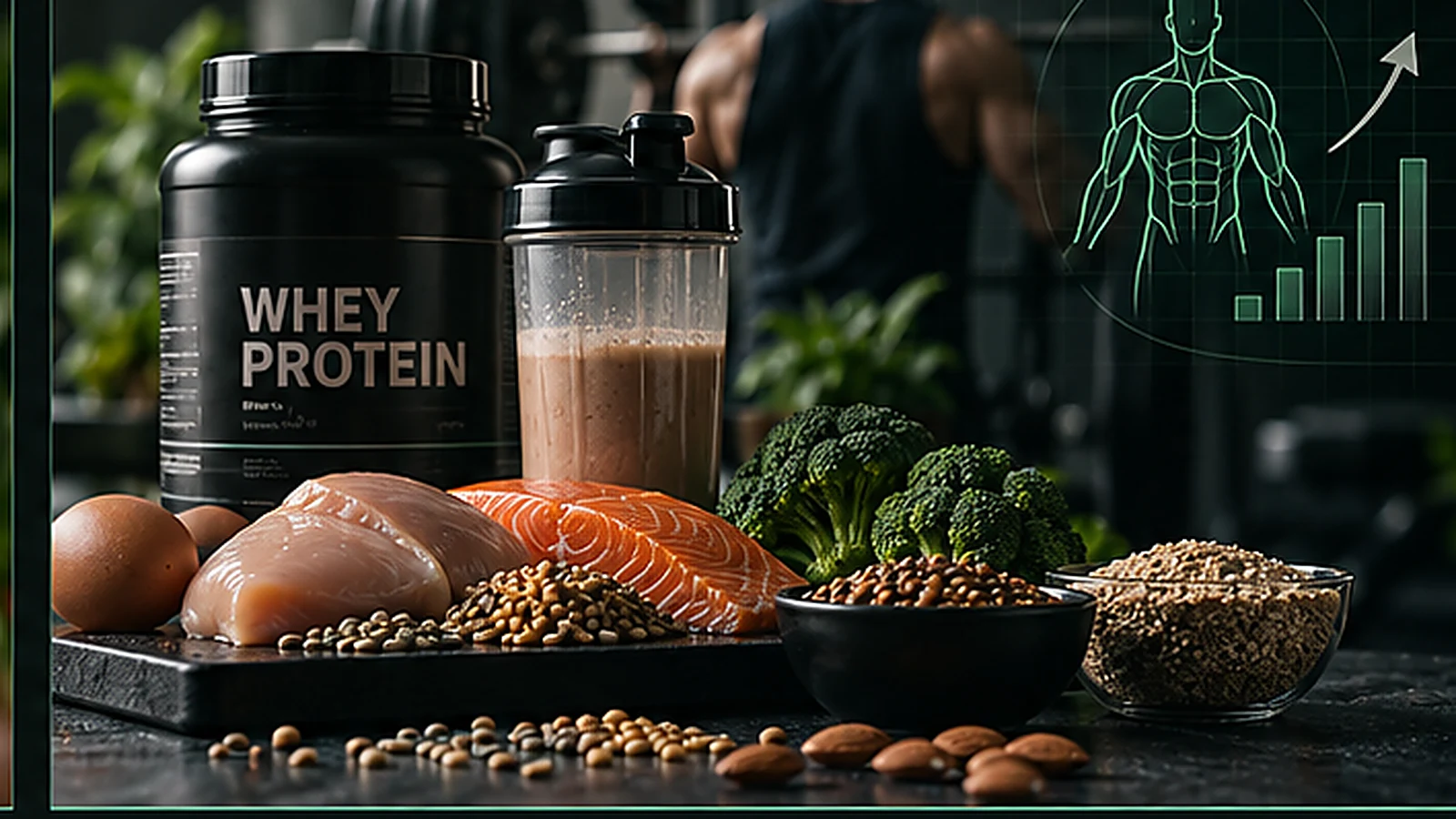
Protein supplies amino acids used throughout the body, including muscle. Resistance training stimulates adaptation, but energy intake, recovery and programming also matter. Consuming extra powder without an appropriate training stimulus does not mechanically produce muscle.
Consensus
Food often provides a large share of requirements
Controversy
Needs vary with context
Age, body mass, training type, energy deficit, health and goals all change useful intake. Sports guidance should not automatically be generalized to everyone, and an aesthetic goal does not justify unlimited doses.
Consequences
The supplement market adds specific risks
ANSES has documented adverse effects and concerns around some sports supplements, including issues related to added substances and product quality. A protein powder is not merely an abstract dose of protein: formulation and provenance matter.
Guidance
Supplement a diet rather than replace reasoning
LES5C / 05
The essentials, not the last word
Estimate need and food intake before adding a supplement. For athletes, amount, distribution, tolerance, product quality and training matter more than a simple “more is better” message.
This overview is neither exhaustive nor personal advice. Limitations and sources are part of the argument.
Keep exploring