Food

Are all ultra-processed foods equivalent

The ultra-processed category draws attention to industrial formulation and processing, but it cannot by itself summarize nutritional quality or the risk of every individual product.

Sources consulted on 2026-09-15
Start readingView the sources
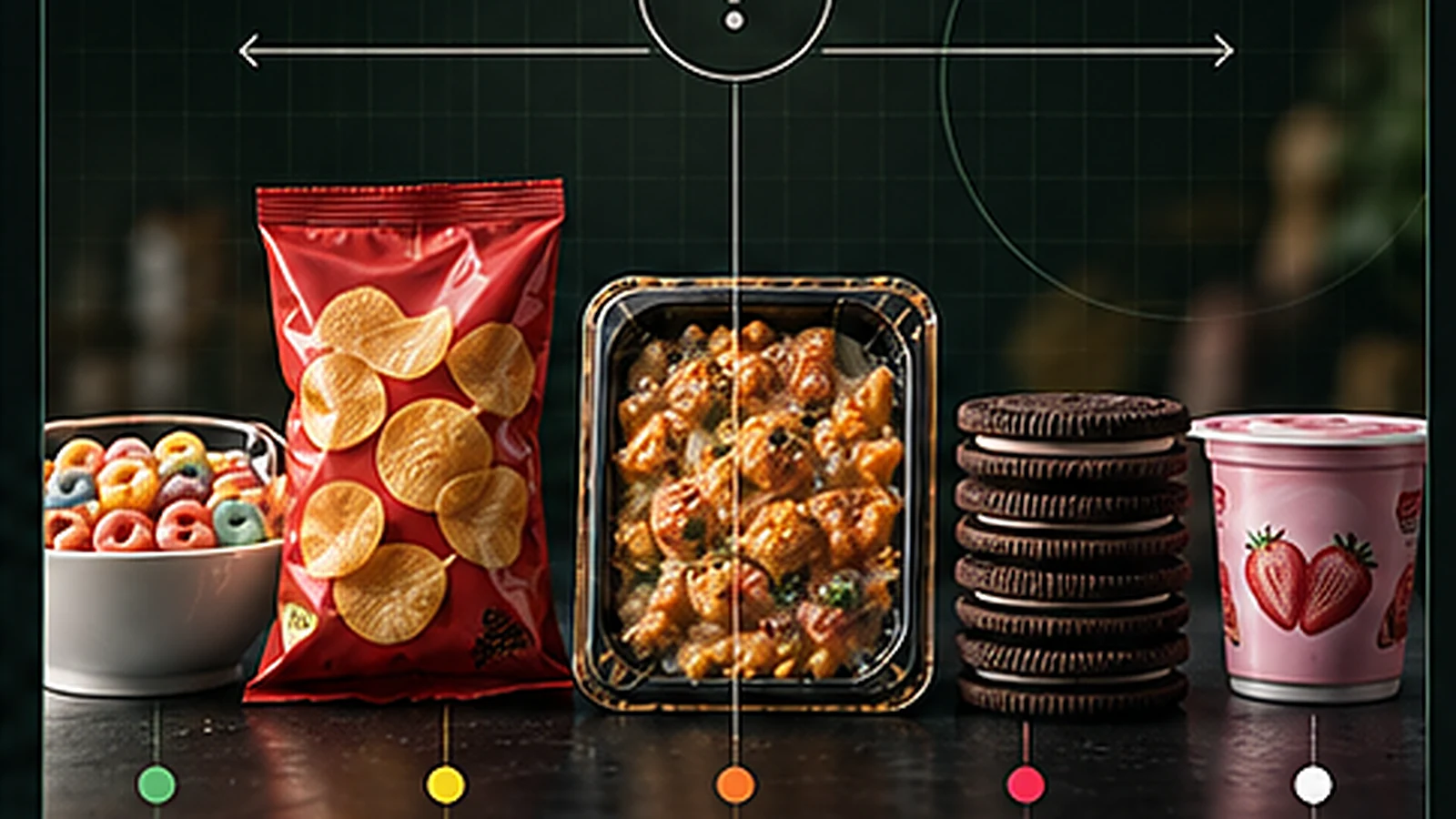
Food shelf showing industrial products with very different compositions
Synthetic editorial illustration

Context

“Ultra-processed” first describes a formulation pattern

Systems such as NOVA group foods by degree and purpose of processing, highlighting industrial formulations, additives and processes beyond ordinary cooking or preservation. The category does not replace reading what the food actually contains.

sourcesANSES

Consensus

Epidemiological associations justify attention

Many studies report associations between high consumption of ultra-processed foods and several health outcomes. WHO has begun work on dedicated guidance, showing that the issue is important while evidence and mechanisms continue to be evaluated.

sourcesOMSOMS

Controversy

The exact causal pathways remain debated

Observed risk may partly reflect energy density, salt, sugars, fats, texture, eating speed or displacement of less processed foods. Classification of individual products is also not universally agreed.

sourcesANSESOMS

Consequences

Products in the same category can still differ

Packaged wholegrain bread, a sugary drink and a salty snack can share a processing category while differing greatly in composition and use. Frequency, portion and the rest of the diet change the practical interpretation.

sourcesOMSANSES

Guidance

Return to the overall dietary pattern

Build most meals around minimally processed foods appropriate to your context, including vegetables, fruits and legumes. For packaged foods, compare ingredients, nutrition information and serving patterns instead of searching for one label that decides everything.

sourcesOMSANSES

LES5C / 05

The essentials, not the last word

Processing is a useful signal, not a standalone verdict. Look at how often these foods appear, their composition, energy density, portions and what they replace in the overall diet.

This overview is neither exhaustive nor personal advice. Limitations and sources are part of the argument.

Keep exploring