Technology
Does good Wi-Fi mean you have good Internet
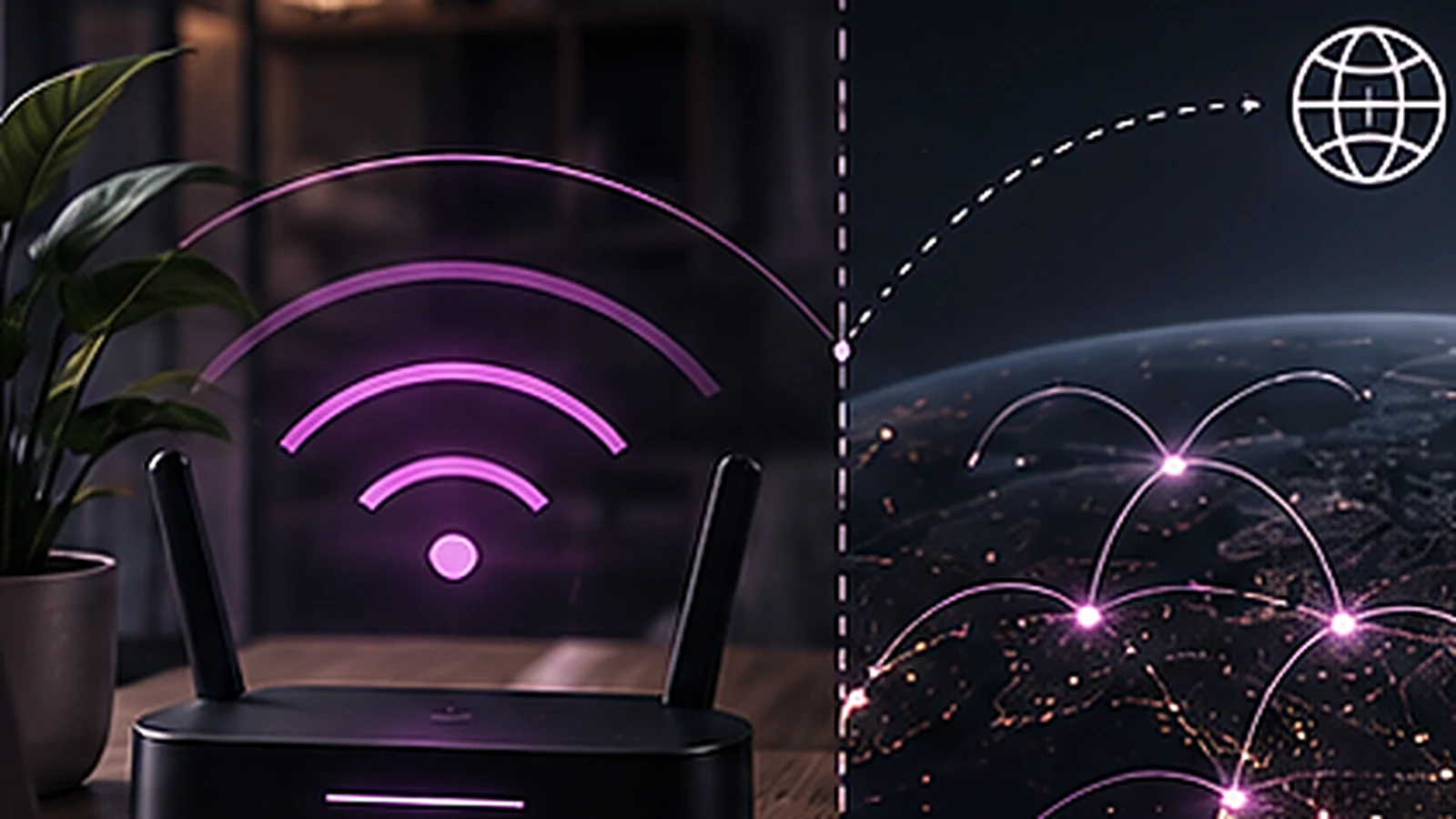
Wi-Fi connects your devices to the local network. An Internet connection then links that network to the wider world. Either link can become the bottleneck.
Sources consulted on 2026-09-15
Context
Wi-Fi and Internet are different layers
Wi-Fi is a local-network technology connecting phones, computers and televisions to an access point. The router then uses a fixed or mobile connection to reach the Internet. Full Wi-Fi bars mainly mean a good local radio link, not guaranteed Internet throughput.
Consensus
Ethernet can reveal the weak link
If a computer on Ethernet is fast while Wi-Fi is slow, the issue is likely radio coverage, interference or the access point. If Ethernet is also slow, examine the broadband line, modem, provider or wider congestion.
Controversy
The headline speed is not always useful throughput
Wi-Fi generations, channel width and marketing figures describe theoretical or aggregate capacity. Distance, walls, interference, device count and shared airtime reduce real throughput. The Internet path adds its own limits and latency.
Consequences
A fast network can still feel unstable
Video calls, remote work and gaming also depend on latency, jitter and packet loss. A high speed-test result does not rule out radio drops or uneven quality. A well-placed access point can matter more than a faster broadband plan.
LES5C / 05
The essentials, not the last word
Before changing your broadband plan or router, locate the problem. Ethernet tests, access-point distance, interference, router capacity and line speed help separate local Wi-Fi from Internet access.
This overview is neither exhaustive nor personal advice. Limitations and sources are part of the argument.
Keep exploring