Cybersecurity
Does a VPN really make you anonymous
A VPN mainly protects the path between your device and its server and moves the point of trust. It does not erase your identity, accounts or traces left elsewhere.
Sources consulted on 2026-09-15
Context
A tunnel does not erase every other trace
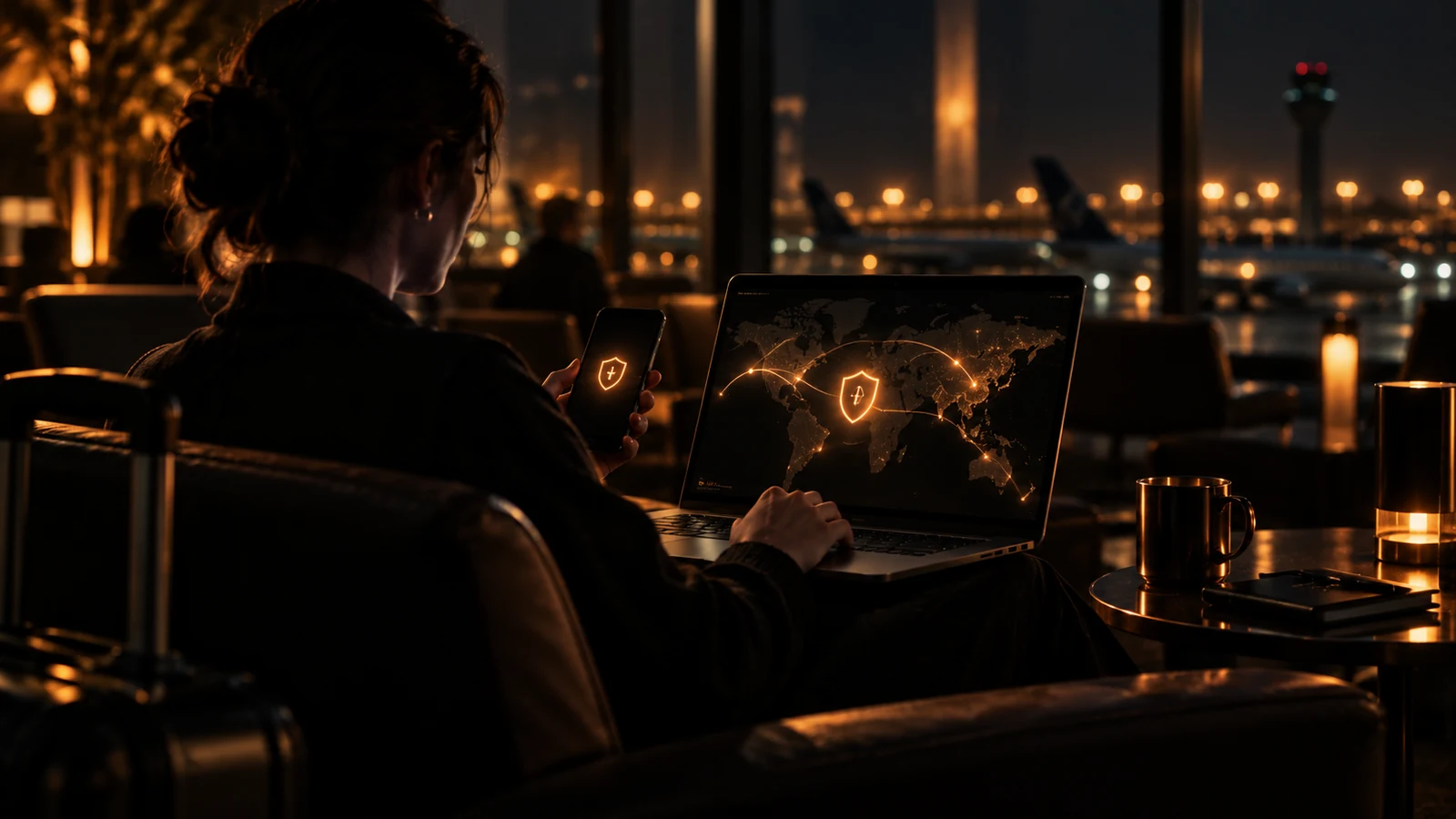
A VPN creates an encrypted tunnel between your device and an intermediary server. Your access provider sees less of the destinations directly, but websites can still recognize a signed-in account, cookies, browser characteristics or other signals. Anonymity therefore does not follow from the tunnel alone.
Consensus
Trust moves rather than disappears
Traffic leaves the tunnel at the VPN operator. That provider becomes an important part of the chain and may see metadata your local network no longer sees. Logging policies, jurisdiction, architecture and transparency matter more than a generic “no logs” claim.
Controversy
HTTPS and endpoint security still matter
A VPN does not stop phishing, malware or weak authentication. HTTPS, updates and strong authentication remain necessary. Likewise, an HTTPS website is not automatically trustworthy; HTTPS primarily tells you that the connection to it is encrypted.
Consequences
Usefulness depends on context
On an untrusted network, a well-managed tunnel can reduce some exposure and provide controlled corporate access. At home, its value can be different. Remote work, hiding destinations from the local network and changing apparent location are separate goals with separate trade-offs.
Guidance
Treat the VPN as a sensitive supplier
LES5C / 05
The essentials, not the last word
A VPN is a transport and segmentation tool, not an invisibility cloak. Its value depends on the network, the provider and the threat you are actually trying to reduce.
This overview is neither exhaustive nor personal advice. Limitations and sources are part of the argument.
Keep exploring