Food
Are light products really better for health
Less sugar, less fat or fewer calories does not automatically mean a better choice. What was reduced, what replaced it and the wider diet still matter.
Sources consulted on 2026-09-15
Context
“Light” tells you something, not everything
A claim such as “light”, “reduced sugar” or “reduced fat” means that one defined characteristic has been lowered under specific rules. It does not summarize the overall nutritional quality, portion size or degree of processing.
The first useful question is therefore simple: what was reduced, by how much, and what stayed the same?
Consensus
The label still matters
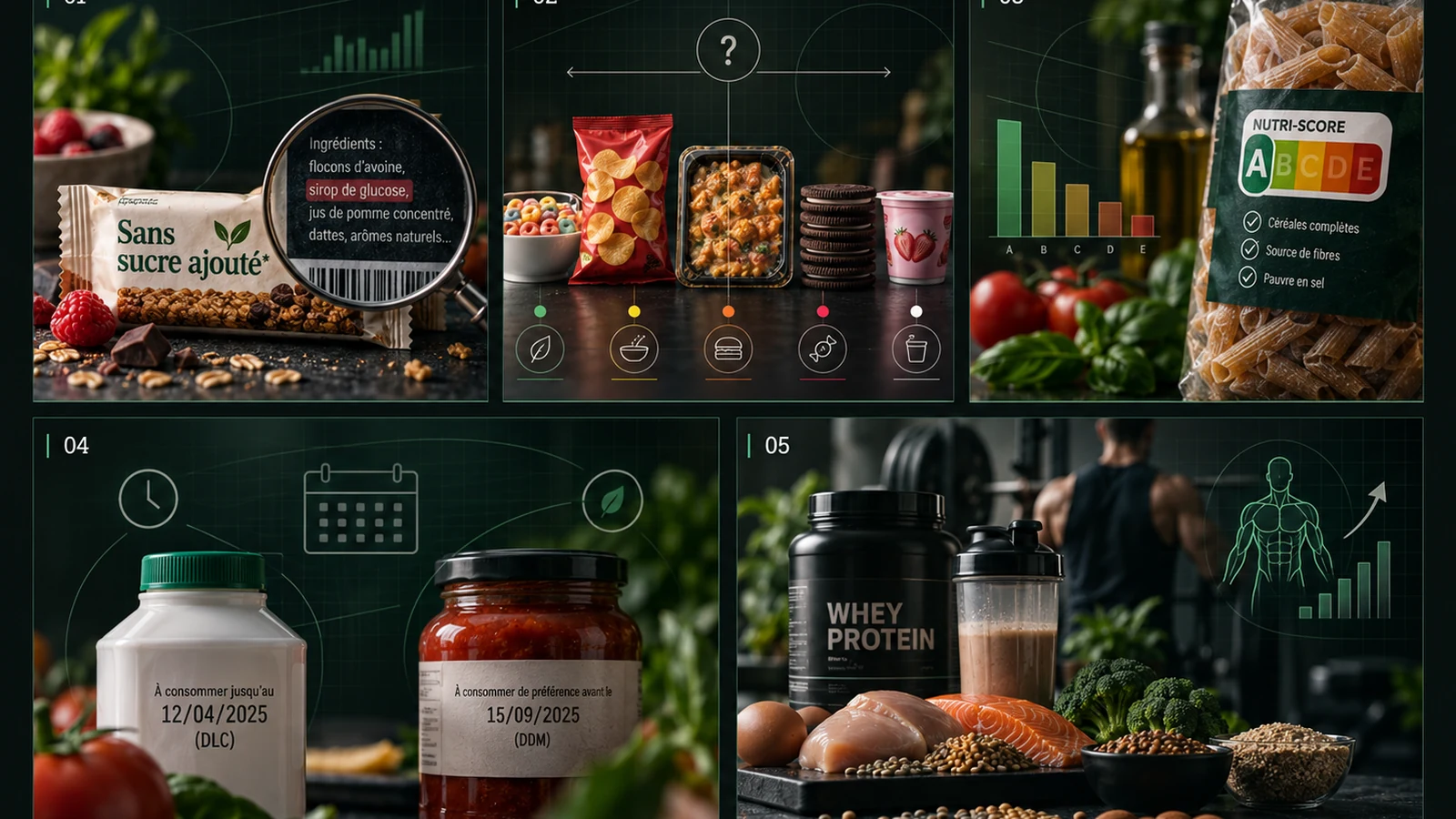
To compare two products, the useful information is in the nutrition declaration, ingredient list and the portion that people actually eat. Reducing sugar or fat can be useful depending on the product and the dietary goal.
But reformulation may also involve sweeteners, starches, flavourings or texture agents. A front-of-pack claim does not show those trade-offs by itself.
Controversy
The real benefit is not always as large as it looks
In some products, the energy difference is modest. In others, people may eat more because the “light” label creates a sense that the product is easier to consume freely. And sometimes the improvement is real but still small compared with the diet as a whole.
It is therefore too simplistic to say that all light products are useless, just as it is misleading to assume they are automatically healthier.
Consequences
Marketing can oversimplify
A front-of-pack promise can strongly shape perception even when the complete nutritional profile is more nuanced. The effect is especially strong when “light” or “reduced” becomes the main sales argument.
That can lead consumers to pay more for a product perceived as healthier without a proportional benefit if the rest of the diet remains unchanged.
Guidance
Compare, contextualize and avoid automatic assumptions
A useful approach is to compare the product with its standard version, read values per 100 g or 100 ml, check the ingredient list and place the purchase in the context of the whole diet.
A light product can make sense in some situations, but it does not replace reading the label or thinking about overall habits. Here, nuance is more useful than a marketing reflex.
LES5C / 05
The essentials, not the last word
A light product is not automatically healthier: what matters is what was reduced, what replaced it and how the product fits into the real diet.
This overview is neither exhaustive nor personal advice. Limitations and sources are part of the argument.
Keep exploring